If there's one parameter that rules them all in pool chemistry, it's pH. Think of pH as the foundation of your pool's entire chemical ecosystem. Get it right, and everything else falls into place. Get it wrong, and nothing else works properly—no matter how much chlorine you add or how often you shock.
In this comprehensive guide, we'll explain exactly what pH is, how it affects every other aspect of your pool chemistry, and how to keep it perfectly balanced. And when you need accurate testing and precise dosing recommendations, the Poolblue App (exclusively at poolblue.store/app) makes pH management effortless.
What Is pH, Really?
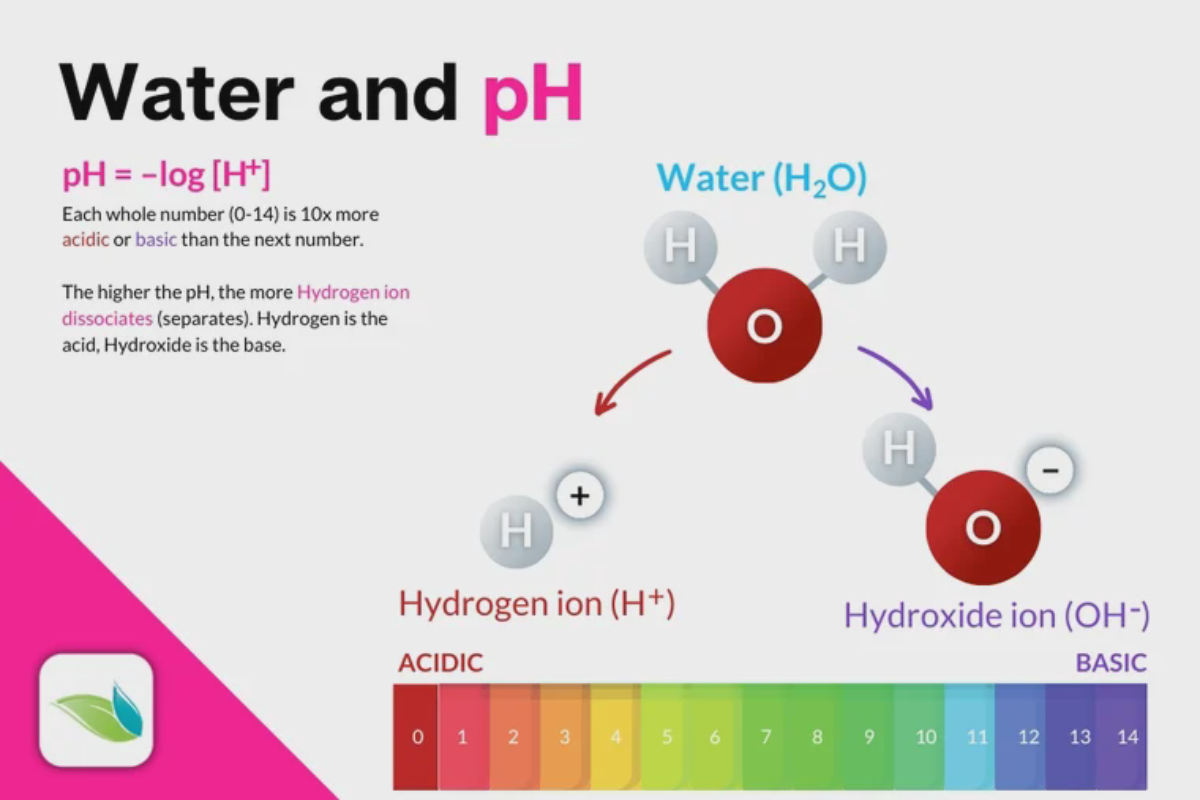
pH stands for "potential of hydrogen" and measures how acidic or basic your water is on a scale from 0 to 14. In simple terms:
pH Level What It Means
0 – 6.9 Acidic
7.0 Neutral (pure water)
7.1 – 14 Basic (alkaline)
Your pool needs to be slightly alkaline—just like human tears. The ideal range for pool water is 7.2 to 7.6. Within this narrow window, everything works perfectly: chlorine sanitises effectively, swimmers are comfortable, and equipment stays protected.
Outside that window? Problems start—and they escalate quickly.
Why pH Is the "Master Variable" of Pool Chemistry
pH doesn't exist in isolation. It affects literally every other chemical reaction in your pool:
pH Range Effect on Chlorine Effect on Equipment Effect on Swimmers
Below 7.0 (Too Acidic) Chlorine becomes too active—dissipates too quickly Corrodes metal, etches plaster Stinging eyes, dry skin
7.2 – 7.6 (Ideal) Chlorine is at maximum effectiveness (50–60% active) Equipment protected Comfortable swimming
Above 7.8 (Too Alkaline) Chlorine becomes sluggish—less than 30% active Scale forms, clogs pipes Irritated eyes, skin
The bottom line: At pH 8.0, your chlorine is only about 30% effective. You'd need to add three times as much chlorine to achieve the same sanitisation as at pH 7.4. That's money literally being poured down the drain.
The pH-Chlorine Relationship: Why It Matters Most
This is the single most important relationship in pool chemistry. The effectiveness of chlorine—your primary sanitiser—is directly tied to pH:
pH Level % of Chlorine Active (Hypochlorous Acid) Sanitisation Power
6.5 ~90% Very powerful, but corrosive
7.0 ~75% Effective, but slightly acidic
7.2 ~65% Strong sanitisation—ideal lower range
7.4 ~50–55% Maximum comfort and balance
7.6 ~45–50% Effective—ideal upper range
7.8 ~35–40% Chlorine is becoming sluggish
8.0 ~30% Inefficient—need much more chlorine
What this means: If your pH drifts to 8.0, you're wasting nearly 70% of the chlorine you add. That's why you might add chlorine, test again, and see barely any change—your pH is too high, and the chlorine simply isn't working.
How pH Affects Other Parameters
pH and Total Alkalinity
Total alkalinity acts as a buffer for pH. Think of it as a shield that prevents pH from swinging wildly.
Alkalinity Level Effect on pH
80–120 ppm (Ideal) pH is stable and easy to adjust
Below 80 ppm pH is unstable—bounces with every chemical addition or rainfall
Above 120 ppm pH is stubbornly high and difficult to lower
Rule: Always adjust total alkalinity before pH. It's easier to control pH when alkalinity is in range.
pH and Calcium Hardness
Calcium hardness and pH work together to determine whether your water is aggressive (corrosive) or scaling.
pH Level Calcium Level Effect
Low pH Any calcium level Water is aggressive—etches plaster, corrodes metal
High pH High calcium (400+ ppm) Water is scaling—forms white deposits on tile, pipes, and salt cells
High pH Low calcium (below 200 ppm) Water is still corrosive—even with high pH, low calcium causes damage
pH and Cyanuric Acid (Stabiliser)
CYA protects chlorine from UV degradation, but it also affects how chlorine behaves at different pH levels.
With CYA present, chlorine becomes less reactive—so the ideal pH range shifts slightly higher.
High CYA (above 50 ppm) combined with high pH is a recipe for "chlorine lock"—chlorine is present but useless.
Causes of pH Imbalance
Understanding what causes pH to drift helps you prevent problems before they start.
Causes of Low pH (Too Acidic)
Cause Explanation
Rainfall Rainwater has low pH—acid rain is a common issue
Trichlor tablets Using trichlor tablets exclusively lowers pH over time
Shocking Acidic shock treatments can lower pH temporarily
Heavy bather load Body oils and sweat are acidic
Filling with soft water Soft water often has low pH
Leaf debris Decomposing leaves add organic acids
Causes of High pH (Too Alkaline)
Cause Explanation
Aeration Running fountains, waterfalls, or jets raises pH
Saltwater systems Salt chlorinators naturally raise pH over time
High alkalinity Alkalinity above 120 ppm pushes pH upward
Using pH-plus incorrectly Overshooting pH adjustment
Adding soda ash Soda ash (sodium carbonate) raises pH significantly
How to Test pH Accurately
Testing Methods
Method Accuracy Pros Cons
Test strips Moderate (+/- 0.2–0.4) Quick, easy, affordable Colour matching can be subjective
Liquid drop kits High (+/- 0.1–0.2) More accurate than strips Requires technique
Digital testers Very high (+/- 0.05) Precise reading More expensive
Poolblue App Instant, accurate No colour matching, exact dosing Exclusive to poolblue.store customers
Pro Testing Tips
Tip Why It Matters
Take water from elbow depth Surface water may not represent the full volume
Test at the same time each day pH fluctuates with temperature and sunlight
Test before adding any chemicals You need a baseline before adjusting
Clean test tubes thoroughly Contamination skews results
How to Adjust pH
Raising pH (If Too Low)
Method Chemical How It Works
pH-plus (soda ash) Sodium carbonate Raises pH significantly—use when pH is far off
Aeration Running jets/fountains Raises pH without adding chemicals (slower method)
Baking soda Sodium bicarbonate Raises pH slightly—also raises alkalinity
General dosing: A typical dose of pH-plus to raise pH by 0.1 in 10,000 gallons is roughly 1–2 pounds, but always follow product label instructions.
Lowering pH (If Too High)
Method Chemical How It Works
pH-minus (sodium bisulfate) Dry acid Safe, easy to handle, slower reaction
Muriatic acid Hydrochloric acid Fast-acting, cheaper, but requires more caution
Carbon dioxide CO₂ injection Automated systems for commercial pools
Safety rule: Always add acid to water—never water to acid. And never mix acid with chlorine—it releases toxic gas.
When to Test pH
Frequency When
Daily During summer peak season
2–3 times per week During normal pool season
After any weather event Rain, storms, heatwaves
After adding chemicals Always retest after adjustment
After heavy use Pool parties, large bather loads
The pH-Perfect Routine
Step Action Time
1 Test alkalinity first 2 minutes
2 Adjust alkalinity if needed Wait 4 hours
3 Test pH 1 minute
4 Adjust pH if needed 10 minutes
5 Test chlorine 1 minute
6 Adjust chlorine 5 minutes
Why this order: Alkalinity must be stable before pH will respond correctly. pH must be correct before chlorine will work effectively.
Stop the Guesswork—Use the Poolblue App
Managing pH doesn't have to be complicated. The Poolblue App (exclusively at poolblue.store/app) makes it easy:
Step What Happens Time
1 Take a photo of your water test (strip or drop kit) 2 seconds
2 The app analyses pH, chlorine, alkalinity, CYA, and calcium 5 seconds
3 Exact recommendations—what to add, how much, in what order Instant
It doesn't matter what type or brand of test you use. The Poolblue App reads your results and gives you a complete, personalised plan for perfect pH and total water balance.
Why Poolblue.store Is Your pH Partner
When you need high-quality pH adjusters, accurate test kits, and expert guidance, poolblue.store has everything you need:
pH-plus and pH-minus in multiple formulations
Accurate test kits for reliable readings
Alkalinity increaser to stabilise your pH foundation
The Poolblue App—free for customers—for instant analysis and dosing
Expert support to answer your pH questions
Final Verdict: pH Is the Key to Everything
Your pool's pH affects every other chemical in the water. It determines whether chlorine works, whether swimmers are comfortable, and whether your equipment lasts. Keep it in the ideal range of 7.2–7.6, and everything else falls into place.
Test pH regularly. Adjust proactively. Use the Poolblue App for accuracy and ease.
Visit poolblue.store today to explore our full range of pH adjusters, test kits, and the Poolblue App. Your perfect pool starts with perfect pH.