
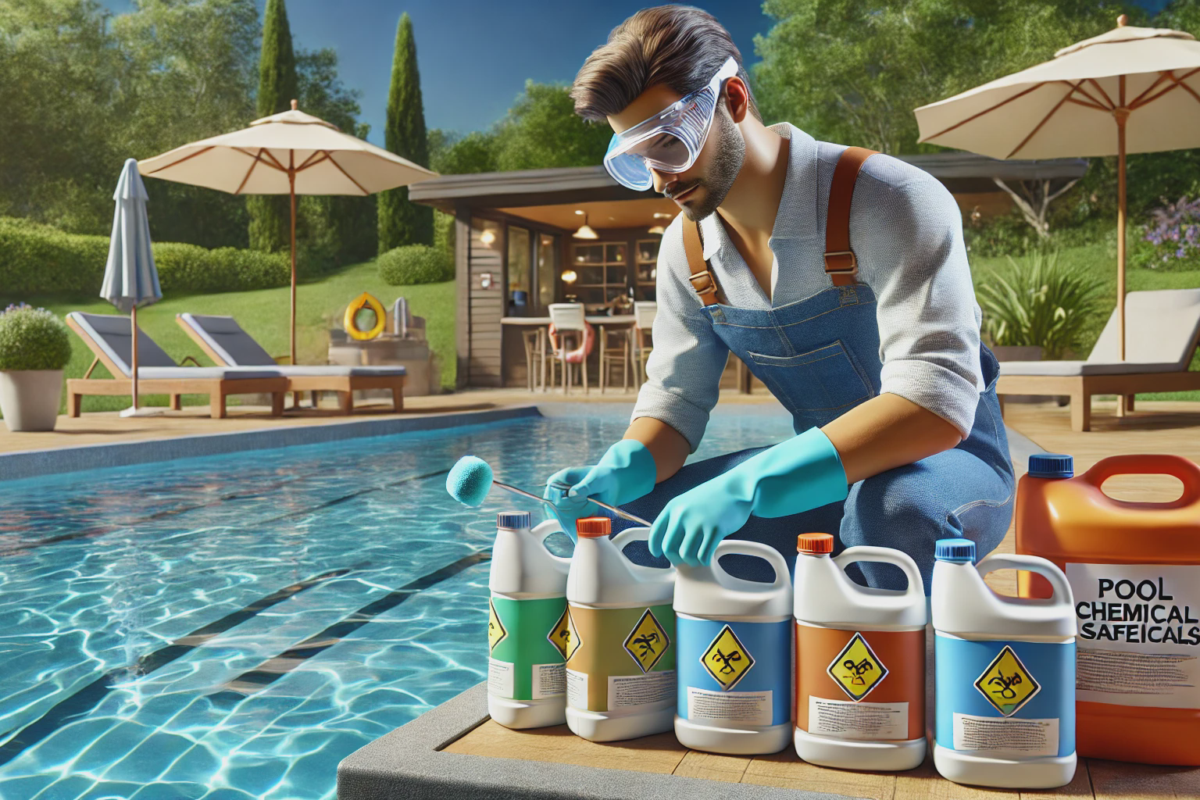
The honest answer: it depends on the chemical.
Some chemicals need attention every single day. Others only need a top-up once a month. The key is understanding which is which—and testing your water regularly so you know exactly what your pool needs.
Let us break it down into a simple, manageable schedule.
The Golden Rule: Test First, Add Later
Before you add anything to your pool, you need to know what the water actually needs. Adding chemicals blindly is a recipe for imbalance, wasted money, and frustrated swimmers.
Test your water at least 2–3 times per week. During hot weather, heavy use, or after rainstorms, test more frequently—even daily.
Daily Chemical Needs
Chlorine (Sanitizer)
This is your pool's primary defense against bacteria and algae. Chlorine should be checked daily and added as needed. The goal is to maintain a free chlorine level of 1–3 ppm.
How often you actually add it depends on several factors:
Pool usage: More swimmers = more contaminants = more chlorine demand
Weather: Sun and heat destroy chlorine faster
Rainfall: Heavy rain dilutes chlorine levels
Pool size: Larger pools need more chlorine to maintain the same ppm
In most cases, you will add chlorine every 1 to 3 days to maintain the correct level. Some pool owners add a small dose daily, especially during peak summer season.
Pro tip: If you use slow-dissolving chlorine tablets in a feeder or floater, they release chlorine steadily for up to one week—meaning you may not need to add more chlorine daily, but you should still test the level to ensure it stays within range.
Weekly Chemical Needs
pH Balancers
pH affects both swimmer comfort and chlorine effectiveness. At a pH above 7.8, chlorine becomes sluggish and ineffective. Below 7.2, it becomes too aggressive and can irritate skin and eyes.
Test pH weekly and add pH Up or pH Down as needed. The ideal range is 7.2–7.6.
Alkalinity Adjusters
Alkalinity acts as a buffer for pH, preventing sudden swings. Test alkalinity weekly and adjust if it falls outside the 80–120 ppm range.
Important: Always fix alkalinity first, then adjust pH. If alkalinity is out of range, your pH will be unstable no matter how much you adjust it.
Algaecide
Algaecide provides extra protection against algae growth. Add a preventative dose once a week, especially during hot weather or if your pool gets heavy use.
Shock Treatment
This is a concentrated dose of chlorine designed to "reset" your pool water. It oxidizes contaminants, breaks down chloramines (the cause of that strong chlorine smell), and kills stubborn bacteria and algae.
Shock your pool once a week as routine maintenance. You may need to shock more frequently if:
You have had heavy rainfall
A large group of people used the pool
You notice cloudy water or algae starting to form
Temperatures are above 80°F (27°C)
Best practice: Shock your pool in the evening and run the pump overnight. This gives the shock time to work without being destroyed by sunlight.
Monthly Chemical Needs
Calcium Hardness
Calcium hardness protects your pool surface and equipment from corrosion or scaling. Test calcium hardness monthly and aim for 200–400 ppm. Adjust with calcium chloride if levels are low.
Stabilizer (Cyanuric Acid / CYA)
Stabilizer acts as "sunscreen" for chlorine, protecting it from UV degradation. Without it, the sun can destroy up to 90% of your chlorine in just a few hours.
Test stabilizer monthly. The ideal range for outdoor pools is 30–50 ppm. If levels rise above 50 ppm, chlorine becomes less effective, and you may need to drain and refill part of your pool to dilute it.
Quick Reference: Pool Chemical Schedule
Chemical Test Frequency Add As Needed Target Range
Chlorine Daily Every 1–3 days 1–3 ppm
pH Weekly When out of range 7.2–7.6
Alkalinity Weekly When out of range 80–120 ppm
Algaecide — Weekly Follow product instructions
Shock — Weekly (or more often as needed) Raise to ~10 ppm temporarily
Calcium Hardness Monthly When out of range 200–400 ppm
Stabilizer (CYA) Monthly Once or twice per season 30–50 ppm
What Affects How Often You Add Chemicals?
Every pool is different. These factors will change how often you need to add chemicals:
Hot weather: Chlorine depletes faster, and algae grows faster
Heavy use: More swimmers = more contaminants = more chemicals
Rainfall: Dilutes chemicals and can throw off pH
Direct sunlight: Destroys unstabilized chlorine quickly
Pool size: Larger pools require more chemicals to maintain the same ppm
Why This Matters for Your Pool's Health
Consistent chemical maintenance protects your pool, your swimmers, and your wallet.
Balanced water prevents corrosion and scaling on equipment
Proper chlorine levels kill harmful bacteria and prevent algae
Regular shocking breaks down chloramines that cause eye irritation and that strong chlorine smell
Preventative care is far cheaper than fixing a green pool or replacing damaged equipment
Let PoolBlue.store Handle the Schedule
Does tracking chlorine daily, testing pH weekly, and remembering to shock on a Sunday night sound like a lot? That is because it is.
At poolblue.store, we handle all of this for you. Our certified technicians:
Test your water with precision digital equipment—not guess strips
Add the right chemicals in the right amounts, at the right frequency
Shock your pool as needed, not just on a schedule
Provide detailed service reports after every visit, so you always know your water chemistry
Spot problems early—before they become expensive repairs
You get crystal-clear water without the daily testing, weekly shopping, or weekend work.
Stop wondering when to add what.